Archived post by SniperJake945

if you’re too lazy to search 😛

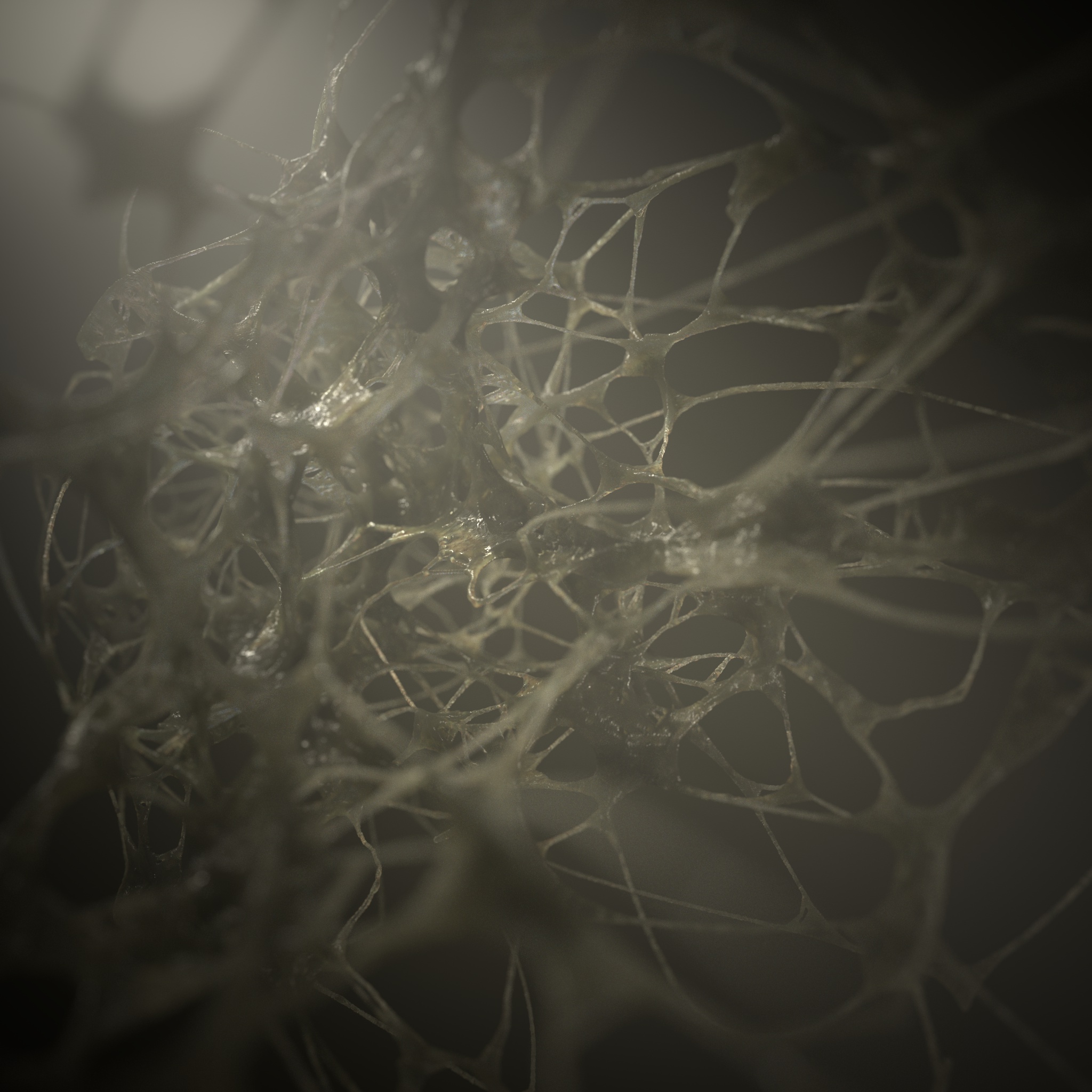
this is that shit but on surfaces. I cant release the code for this unfortunately but it works on most if not all non degenerate triangle meshes 😮 the tracing methods are based off that keenan paper i posted in cgi-math about intrinsic triangulations 😮

will pump out some longer versions laterrr

gotta actually do work at some point today 😦

but if u dont want to do crazy surface tracing, you can just fake it with xyz dist and primuv, though itll be pretty slow for big meshes like this (100k points)

Attachments in this post:
http://fx-td.com/houdiniandchill/wp-content/uploads/discord/20190510/22/19/jr_physarum_revisited_reupload.hipnc
http://fx-td.com/houdiniandchill/wp-content/uploads/discord/20190510/22/19/jr_surface_physarum_v001.mp4
Archived post by xcaseyx

“`Spot lights casting caustic photons (millions) Object casting caustic photons (glass material with disperssion) Search radius on caustics set to like 0.1 or 0.03 depending on the shot higher values = more blur, lower values = more tiny dots of light If you want very very detailed caustics crank up spot lights to 9-10 million and search radius down to like .01 add photos until you’re happy“`

Archived post by profbetis

p simple actually This is a volume wrangle. First input is your volume for storing the field, second input is your geometry that has a magnetic value (-1 to 1) point attribute “`c vector mf = 0;
for( int i=0; iv@magfield = mf;“`

trying to convert to openCL but running into dumb problems with how to write to vector volumes

of course, it also doesn’t take into account spatial density of points, so if you double your point count you will get double the magnetic field values