Archived post by rich lord

Ooooooooofff very nice @Fele

Ive been trying to think of a new way to do Houdini Tutorials. I learnt Houdini by pulling apart other peoples setups, and since Houdini has all the awesome sticky note stuff, I wondered if I could make the tutorials inside the hip file. So I took all my old RBD setups, and a couple of new ones, and made a single hip with them all in. Looking for feedback on if this is a useful way to learn stuff, so if you can be arsed, take a peek and send me a DM with any thoughts. Ive got other ones on other parts of Houdini, but they arent quite finished yet. Not sure if I’ll just give them away, or do some kind of super lo cost sub thing to the 3 interested people out there. This very badly made video is an unfinished teaser for a few of the setups inside the file just to give u an idea. Appreciate any thoughts on this delivery method!

Attachments in this post:
http://fx-td.com/houdiniandchill/wp-content/uploads/discord/20234301/23/23/rl_rbd_testheadings.hiplc
http://fx-td.com/houdiniandchill/wp-content/uploads/discord/20234301/23/23/rbd_video.mp4
Archived post by Juraj

Hi, I thought I’d do myself a bit of promotion. Here are some blog posts I’ve written ~ last year. Will appreciate any feedback / thoughts.
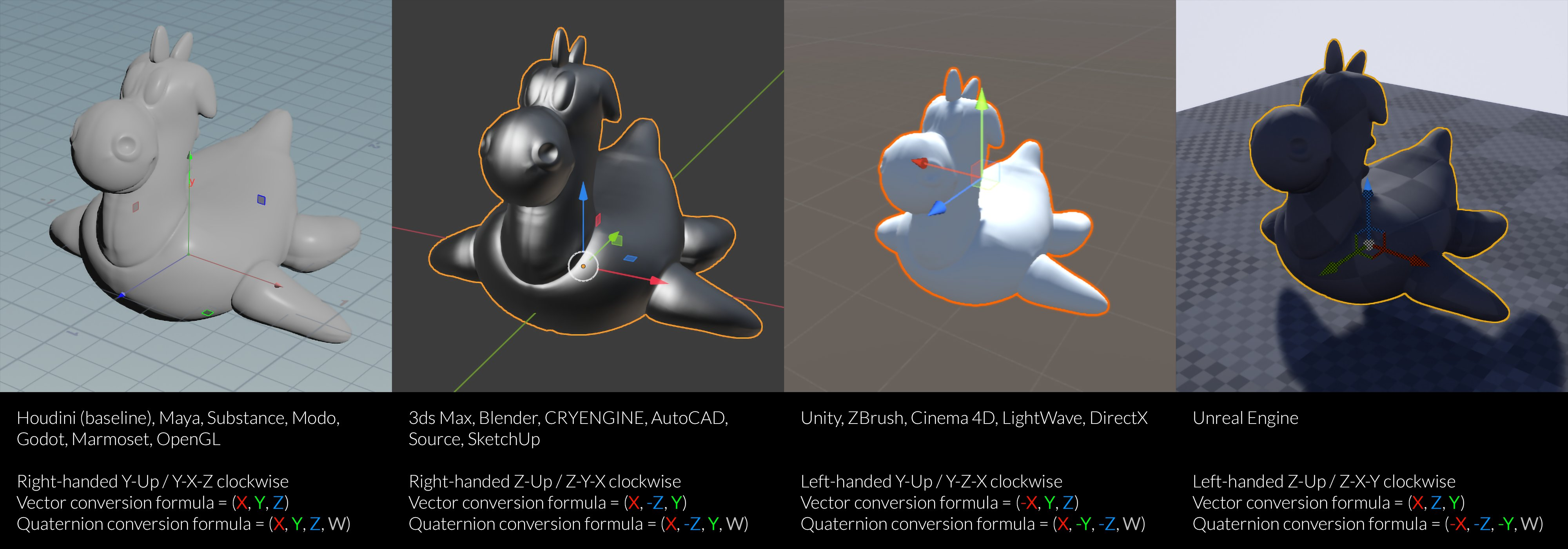
Houdini, venv, OpenCV and cats jtomori.github.io/2022/2022-12-30.html VEX treats positions and vectors as row vectors jtomori.github.io/2022/2022-11-03.html You can modify environment variables in Generic Generator TOP jtomori.github.io/2022/2022-11-04.html Using VSCode with Houdini 19 and Python 3 jtomori.github.io/2022/2022-07-07.html A better way to batch-convert textures from Houdini jtomori.github.io/2022/2022-01-05.html The TD’s Guide to Laziness jtomori.github.io/2021/2021-06-14.html
Happy reading 🙂

Archived post by PaqWak

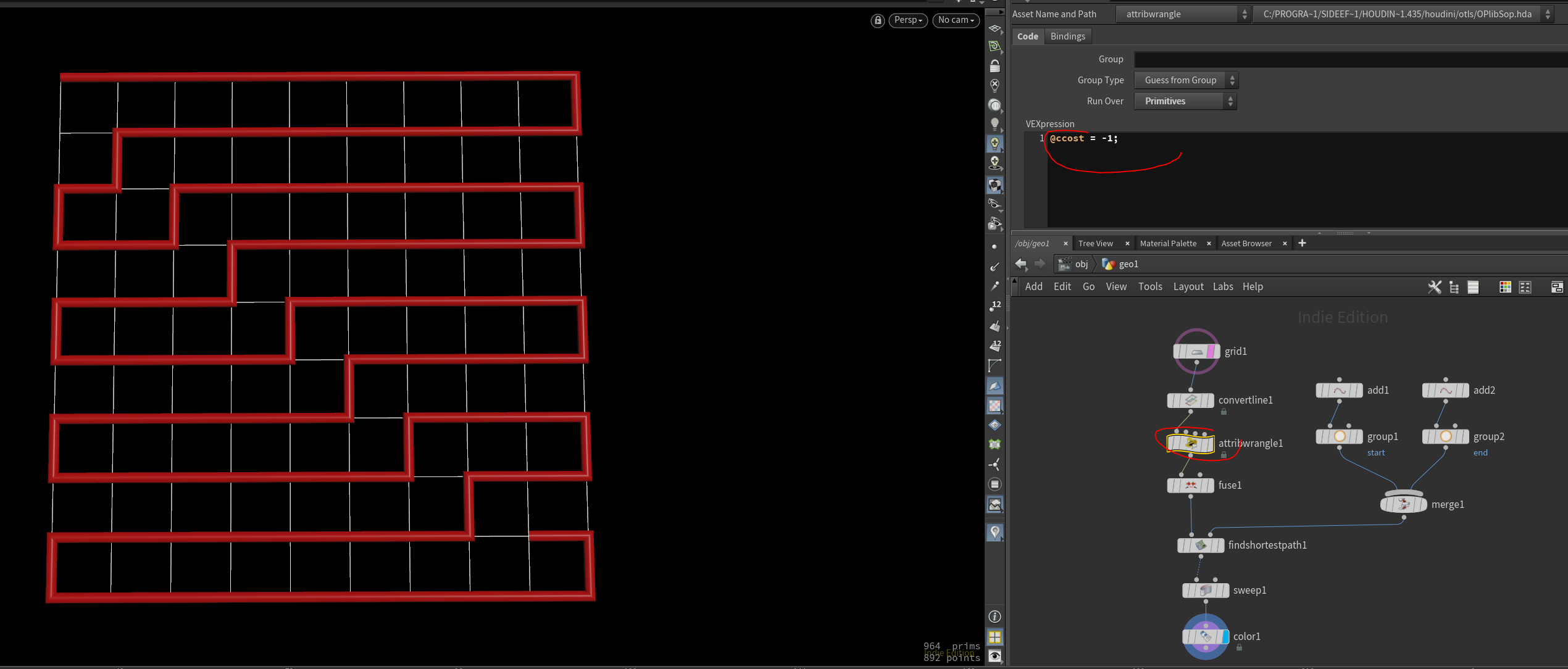
So I was looking for a way to find the longest path in a network of edges, like the opposite from what the ‘find shortest path’ does. I remember looking for a solution previously without succes. So I asked Skynet (Chat-GPT), and here’s his solution :

The doc don’t mention that, actually the shortest path OP complain about the negative weight … but it indeed output the longest path as far as I can tell 🥳

Attachments in this post:
http://fx-td.com/houdiniandchill/wp-content/uploads/discord/20234501/11/23/image.png

Archived post by toadstorm

ok i think gemming is working again? managed to get a really high quality post or three up on the archive

i just need to migrate the bot instance to my big boy webserver instead of running off my NAS and then we should be good to go

hmmm maybe I’ll try to get image links to actually display as images for this next build so everyone can see these incredibly important posts as they’re meant to be fx-td.com/houdiniandchill/wp-content/uploads/discord/20222312/19/22\fart.gif

Archived post by SniperJake945

you can get some neat effects by adjusting the above code too, like a weighted max, with just a constant y value for the gradient can give you this like pillars rising up effect: “`c vector g = volumegradient(1, 0, @P); //taking the gradient from the second input,
float intensity = ch(“intensity”); float dx = length(v@dPdx); //voxel size; g *= dx; //scale our vector by voxel size float samples = chi(“samples”); float out_val = @density; float weights = 1.0; for(int i = 0; i <= samples; i++){ float u = i / float(samples); //0 -> 1 vector sample_p = v@P + g * u * intensity; float value = volumesample(0, 0, sample_p); float w = smooth(-.1, 1, 1 – u); //in theory this should be a gaussian, because its a better falloff, but yolo out_val = max(out_val,value * w); //weighted max
} @density = out_val;// / weights; “`

Attachments in this post:
http://fx-td.com/houdiniandchill/wp-content/uploads/discord/20222908/22/22/unknown.png